Spring Tree Pruning Ideas From Local Service Providers
Prepare your landscape for spring by connecting with local contractors who can expertly prune trees to promote healthy growth and enhance your property's appearance.
Spring is a popular season for tree pruning because it offers an ideal time to promote healthy growth and prepare trees for the warmer months ahead. As trees emerge from winter dormancy, pruning can help remove any damaged or dead branches accumulated during the colder months. Additionally, early spring allows property owners to shape trees and manage their size before the foliage fully develops, which can improve overall appearance and safety. Many local contractors see spring as an optimal time to perform these services, ensuring trees remain strong and well-maintained throughout the growing season.
Tree pruning services typically cover a range of tasks aimed at maintaining the health, safety, and aesthetics of trees. This can include removing dead or diseased branches, thinning dense canopies to improve air circulation, and shaping trees for a balanced appearance. Pruning can also involve reducing the size of overgrown branches that may pose hazards or interfere with structures and power lines. Skilled service providers assess each tree’s unique needs, employing techniques that promote vigorous growth while minimizing stress or damage to the tree.
Property owners interested in tree pruning can compare local options by considering the experience and reputation of service providers in their area. Many local contractors offer consultations to evaluate individual trees and recommend appropriate pruning strategies. When comparing options, it’s helpful to review the scope of services offered, the methods used, and the level of professionalism demonstrated. Accessing trusted local service providers ensures that the work aligns with the specific needs of each property, helping to maintain healthy, attractive trees throughout the season.
Compare local contractors to find the best fit for your spring tree pruning priorities and seasonal refresh needs.
- Enhance Tree Health - Proper pruning encourages stronger growth and better overall tree vitality.
- Improve Safety - Removing dead or overhanging branches reduces potential hazards around your property.
- Boost Curb Appeal - Well-maintained trees contribute to a more attractive and inviting landscape.
- Prepare for Seasonal Changes - Pruning in spring supports optimal growth during the warmer months.
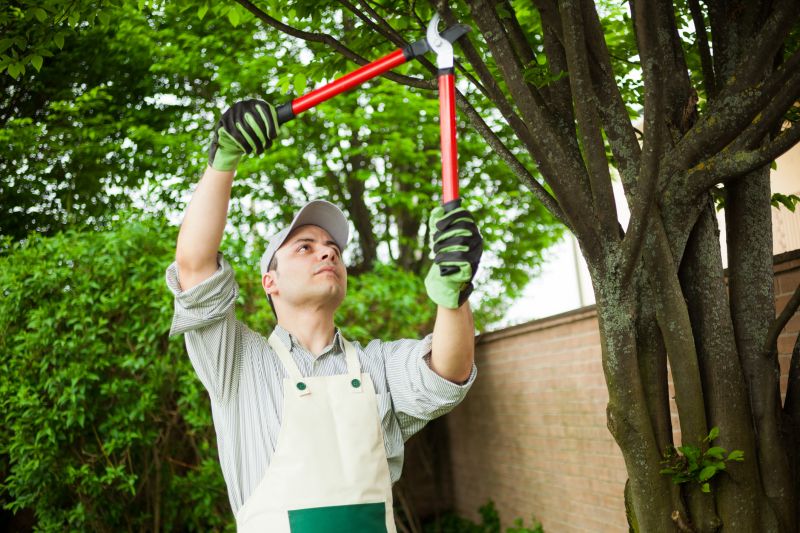
Clearly outline your tree pruning project to compare options and connect with trusted local contractors.
- Assess tree health and structure - look for signs of disease, dead branches, or structural issues that may need attention.
- Remove damaged or diseased branches - identify areas where pruning can improve overall tree health and reduce risk.
- Thin out dense foliage - consider removing excess growth to promote better sunlight penetration and airflow.
- Check for crossing or rubbing branches - identify and prune branches that may cause damage or create weak points.
- Maintain appropriate branch spacing and height - ensure the tree’s shape supports healthy growth and safety.
- Consult local contractors for proper pruning techniques - contact service providers experienced in seasonal pruning to achieve optimal results.
Use this as inspiration to refine your project scope with trusted local contractors for spring pruning.
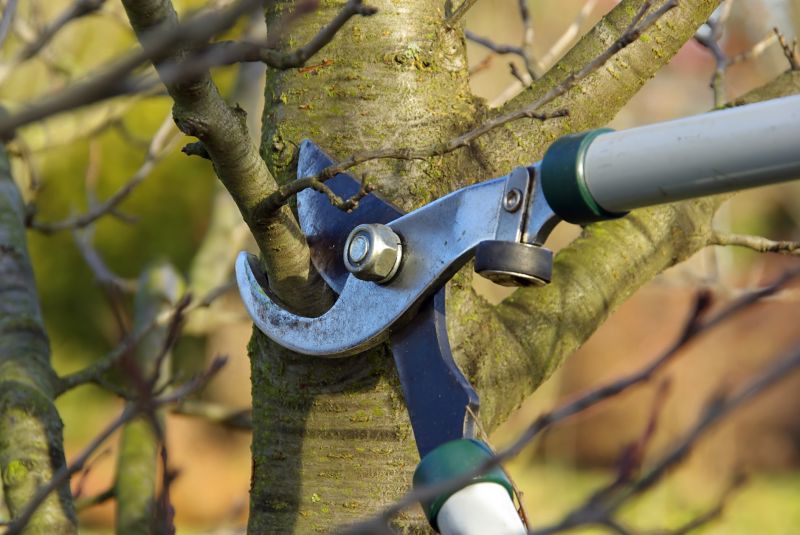
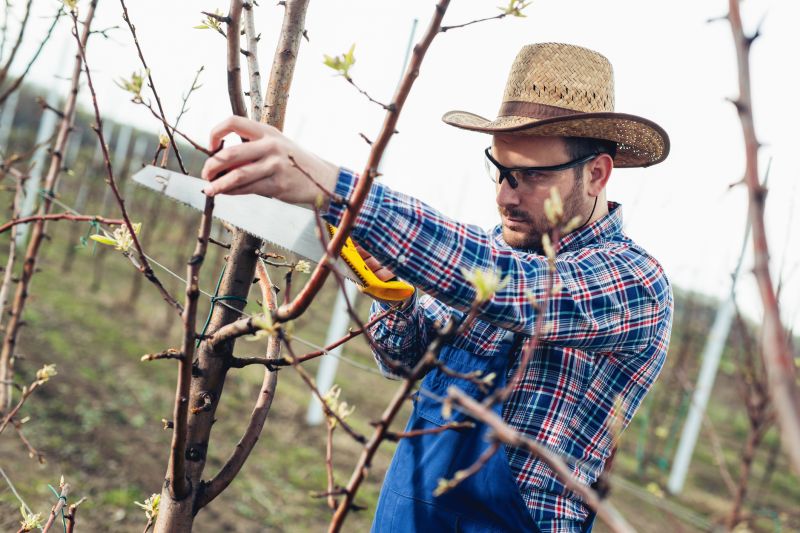
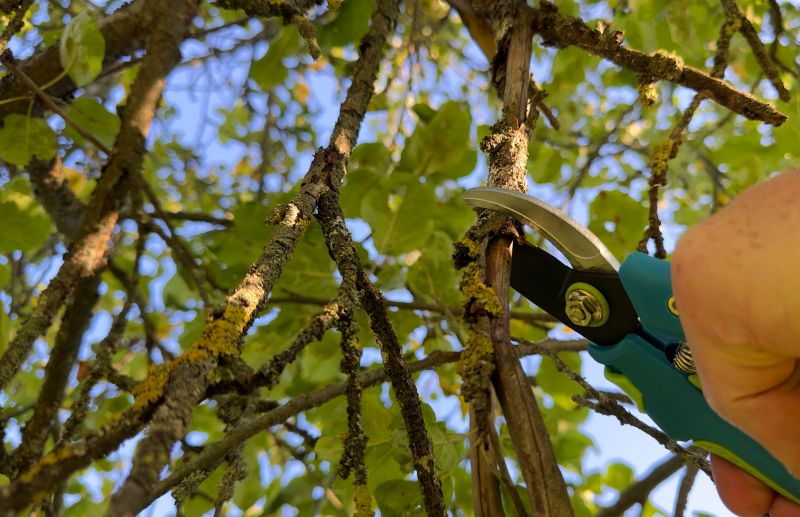

Prioritize your tree pruning needs and compare local contractors to find the best fit for your spring refresh.
- Tree Pruning for Spring Growth - Many homeowners seek professional pruning to encourage healthy growth and shape trees as the season begins. Local contractors can assess and prune trees to promote vitality and aesthetics.
Removing Dead or Damaged Branches - Spring is an ideal time for pruning away dead or broken branches to prevent potential hazards and improve tree health. Service providers can safely perform these cuts to maintain safety and appearance.
Shaping Trees for Seasonal Appearance - Professional pruning can help shape trees to enhance curb appeal and ensure proper growth patterns during the spring season. Local contractors can tailor pruning techniques to specific tree types.
Preparing Trees for Spring Blooming - Proper pruning can support the development of spring flowers and fruiting, helping trees reach their full potential during the season. Experienced service providers can advise on best practices for seasonal pruning.
Managing Overgrown or Crowded Branches - Trimming overgrown branches can improve airflow and sunlight penetration, promoting overall tree health and reducing disease risk. Local pros can handle the removal of excess growth efficiently.
Compare local contractors' tree pruning approaches to ensure consistent quality and results across providers this spring.
- Tree Health Assessment - Define the criteria for evaluating the overall health and structural stability of trees before pruning.
- Pruning Objectives - Identify the specific goals for pruning, such as safety, aesthetics, or tree health improvement.
- Pruning Techniques - Determine the appropriate methods and cuts to be used based on tree type and pruning purpose.
- Tools and Equipment - Specify the necessary tools and safety gear that local contractors should utilize for effective pruning.
- Disposal and Cleanup - Outline the process for removing and properly disposing of pruned branches and debris after the work is completed.
When comparing local contractors for spring tree pruning projects, it is important to consider their experience with similar types of work. Homeowners should look for service providers who have a proven track record of handling pruning tasks on trees comparable in size, species, and location. An experienced contractor will be familiar with the best pruning techniques to promote healthy growth, improve appearance, and reduce potential hazards, ensuring the project aligns with seasonal needs and growth cycles.
Clarity in the scope of work is another key factor. Homeowners should seek out service providers who can clearly articulate what the pruning process will involve, including which branches will be trimmed, the methods used, and the expected outcomes. A well-defined scope helps prevent misunderstandings and ensures that the contractor’s approach matches the homeowner’s goals, whether it’s improving tree health, enhancing landscape aesthetics, or preparing trees for the upcoming growing season.
Work planning considerations are essential when evaluating options. Homeowners should inquire how local contractors approach scheduling, site assessment, and project management during the spring season. A professional service provider will consider factors such as tree health, weather conditions, and safety protocols to develop a comprehensive plan. Understanding how they coordinate the work can help ensure the project proceeds smoothly and efficiently, minimizing disruptions and ensuring the desired results are achieved.
Evaluating options without focusing on prices involves assessing the experience, scope clarity, and planning approach of each service provider. Homeowners can ask for detailed descriptions of past projects, references, or examples of their work to gauge their expertise. Additionally, understanding how each contractor plans and manages spring pruning can reveal their professionalism and attention to detail. This approach allows homeowners to make an informed decision based on the quality and suitability of the service providers, rather than just cost considerations.
Ask for written details to ensure pruning scope aligns with your spring renewal and seasonal landscape goals.
- Scope of Tree Pruning - What specific pruning services do local contractors offer for spring tree care?
- Service Comparisons - How do different providers' pruning techniques and approaches vary?
- Tree Species Expertise - Which local service providers specialize in pruning the types of trees in your yard?
- Seasonal Pruning Focus - How do providers tailor their pruning services to support spring growth and health?
- Service Scope Clarification - What tasks are included in the pruning service, and what might be considered additional work?
What is tree pruning? Tree pruning involves selectively removing certain branches or parts of a tree to improve its health, shape, and overall appearance, especially during spring when growth begins.
Why should I consider pruning trees in spring? Spring pruning helps promote healthy growth, remove damaged or dead branches, and prepare trees for the active growing season.
How do I know if my trees need pruning? Signs include dead or broken branches, overgrown limbs, or a dense canopy that hampers airflow; a local contractor can assess your trees' needs.
What are common pruning techniques used in spring? Techniques such as crown thinning, crown raising, and heading cuts are often used to shape trees and remove problematic branches.
Can pruning help prevent future tree problems? Yes, proper pruning can reduce the risk of disease, breakage, and pest infestations by removing weak or damaged parts.
How can I find local contractors for tree pruning services? This site helps connect with experienced service providers in the area who specialize in spring tree pruning projects.
Spring is an ideal time to refresh tree landscapes through pruning, helping trees maintain healthy growth and enhancing the overall appearance of outdoor spaces. Visitors have learned about the benefits of proper pruning techniques and seasonal planning to support tree vitality during the warmer months. To find the right local contractors for your tree pruning needs, use the quote form to compare options and connect with experienced service providers in the area.
Choosing the right local contractors can make a difference in achieving healthy, well-shaped trees that thrive through the season. By utilizing the quote form, visitors can easily explore and assess different service providers to find the best fit for their spring pruning projects.
Providing clear details about your tree pruning project helps local contractors understand your needs and plan effectively.
- Tree Pruning Goals - Share your reasons for pruning, such as improving tree health or enhancing landscape appearance.
- Tree Type and Size - Provide details about the species and dimensions of the trees to be pruned.
- Pruning Preferences - Describe any specific pruning styles or techniques preferred for the trees.
- Property Details - Share information about the location and accessibility of the trees to assist local contractors.