Compare Local Contractors for Tree Canopy Thinning Services
Compare local contractors for tree canopy thinning to define project scope, verify experience, and set clear expectations in writing for a successful job.
Tree canopy thinning is a specialized service that involves selectively reducing the density of tree foliage to improve overall health, promote better air circulation, and enhance the safety of surrounding areas. This work typically includes pruning overgrown branches, removing dead or diseased limbs, and thinning out thick clusters of foliage to prevent issues like storm damage or structural stress. Property owners should ensure that contractors clearly understand the scope of work, including which trees are to be addressed, the techniques to be used, and the desired outcomes. Defining these details upfront helps prevent misunderstandings and ensures the project aligns with the property's specific needs.
When comparing local contractors for canopy thinning, it’s important to verify their experience with similar projects and their familiarity with the types of trees on the property. Property owners should ask potential service providers to outline their approach and the methods they plan to use, ensuring they align with best practices for tree health and safety. Additionally, establishing a written scope of work that specifies what will be done, which trees are included, and any specific considerations can help set clear expectations and provide a basis for evaluating the quality of the work. Consistent communication and documentation are key to making informed decisions and avoiding surprises later in the process.
To find the right contractor, property owners can compare local service providers by reviewing their credentials, experience, and the scope of work they offer. It’s beneficial to seek out contractors who can provide detailed proposals that outline their approach and the steps involved. Asking for references or examples of previous canopy thinning projects can also provide insight into their capabilities. Ultimately, selecting a contractor involves assessing their ability to meet the defined scope, their approach to safety and tree health, and their professionalism in documenting the work plan. This careful comparison helps ensure that the chosen service provider can deliver a thorough and appropriate canopy thinning service tailored to the property’s needs.
Compare local contractors by outlining project priorities, verifying experience, and clearly defining scope and expectations in writing.
- Evaluate Contractor Experience - Verify that service providers have relevant experience with tree canopy thinning projects.
- Define Project Scope Clearly - Outline specific tasks and expectations to ensure mutual understanding before work begins.
- Compare Local Contractors - Review multiple service providers to assess their expertise and approach to canopy thinning.
- Document Agreements in Writing - Ensure all project details, scope, and expectations are confirmed through written agreements.
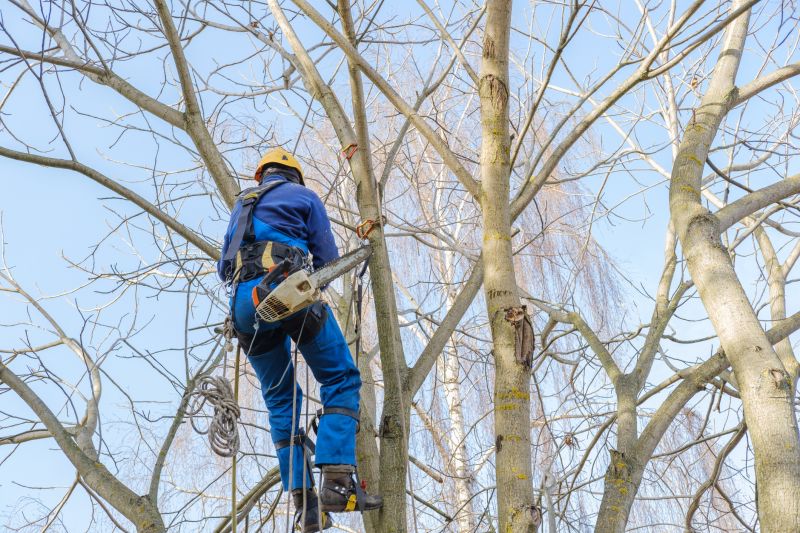
Clearly describe your tree canopy thinning project to effectively compare local contractors, verify experience, and set expectations in writing.
- Assess the contractor’s experience with tree canopy thinning projects to ensure familiarity with local tree species and conditions. - Verify that scope of work is clearly defined and documented in writing before work begins.
- Compare multiple local contractors to evaluate their methods and approaches to canopy thinning procedures. - Ensure the contractor understands and can explain the goals and expected outcomes of the thinning process.
- Check references or reviews to gauge the quality and reliability of the service providers’ previous canopy thinning work. - Confirm that the scope, process, and expectations are detailed in a written agreement or scope of work.
- Determine if the contractor follows industry best practices for tree health and safety during canopy thinning. - Clarify the extent of thinning to prevent over-pruning and damage to the trees.
- Ensure the service provider can provide a comprehensive plan that addresses site-specific considerations and objectives. - Confirm that all aspects of the project are outlined clearly in writing to avoid misunderstandings.
Use this to compare local contractors, clarify project scope, verify experience, and set clear expectations in writing.
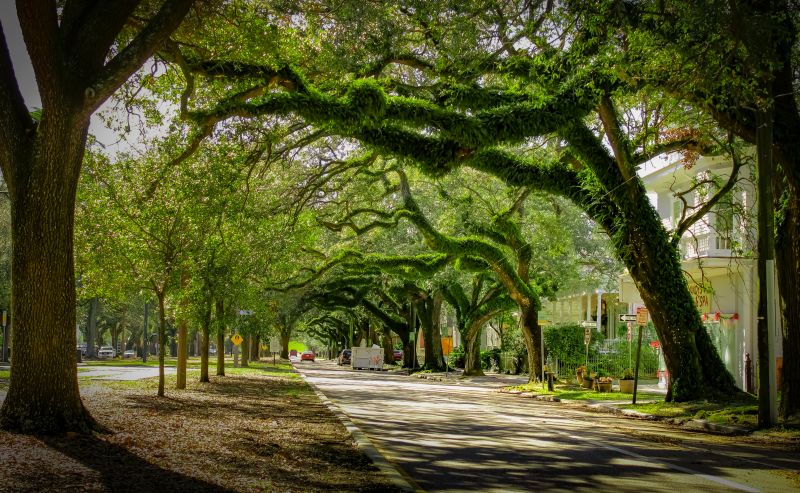
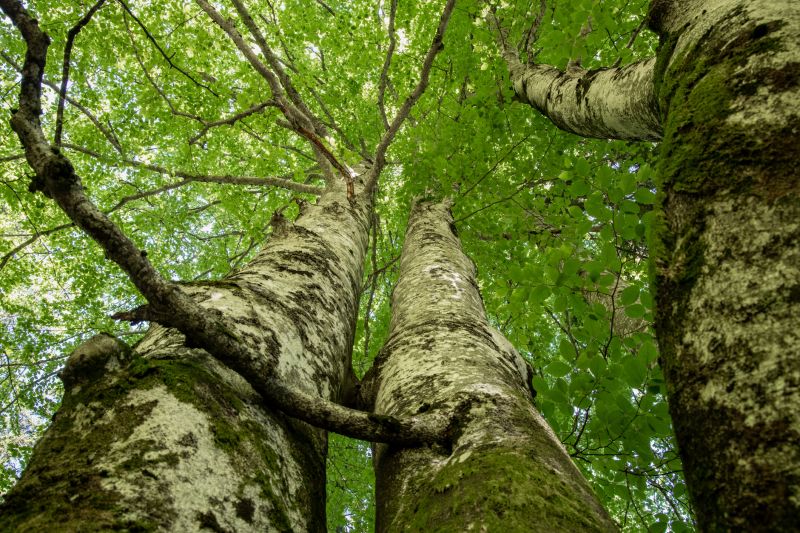
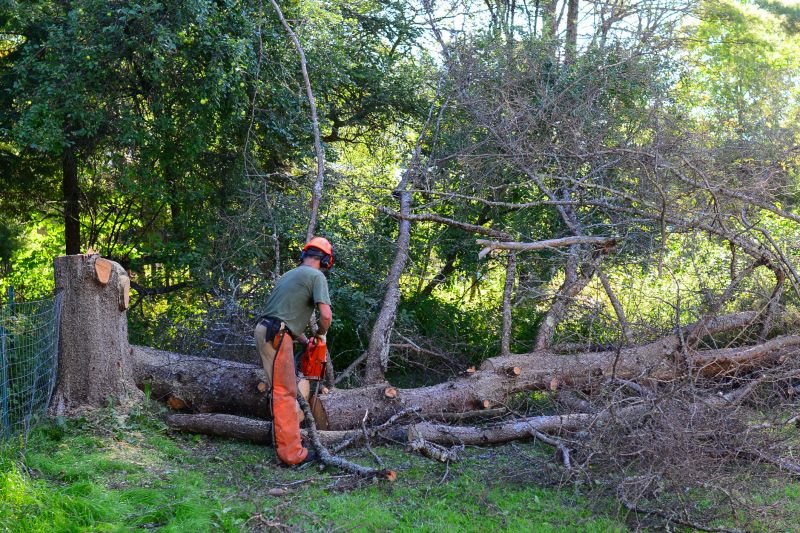
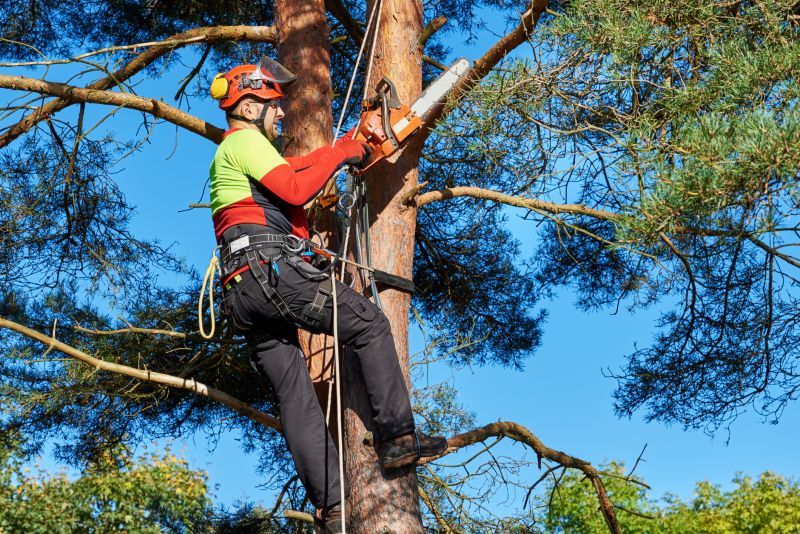
This section helps you compare local contractors for tree canopy thinning by defining scope, verifying experience, and setting clear expectations.
- Define scope of tree canopy thinning - clearly specify the areas, trees, and extent of thinning required for the project.
- Verify experience with canopy management - ensure service providers have relevant experience in thinning mature tree canopies safely and effectively.
- Outline methods and techniques - document the approved methods for thinning to meet project goals and safety standards.
- Set expectations in writing - establish and record the desired outcomes, level of thinning, and any specific considerations for the project.
- Assess credentials and references - review the qualifications and references of local contractors to confirm their capability for canopy thinning work.
When evaluating contractors for tree canopy thinning, it is important to consider their experience with similar projects. Homeowners should inquire about the types of trees and landscapes the service providers have worked on before, ensuring they have a track record of handling trees comparable to those on the property. A contractor with relevant experience is more likely to understand the nuances of thinning techniques, potential challenges, and the best practices to maintain tree health and safety.
A clear, written scope of work is essential for setting expectations and ensuring all parties are aligned. Homeowners should request detailed descriptions of the proposed work, including which trees will be thinned, the methods to be used, and any specific goals for the project. A well-defined scope helps prevent misunderstandings and provides a basis for evaluating whether a contractor’s approach aligns with the property's needs.
Basic verification of a contractor’s process involves reviewing how they plan to assess the site and document their work. Homeowners can ask how the service provider will evaluate the health and structure of the trees before beginning, as well as how they plan to document the work completed. This verification ensures that the contractor has a systematic approach to quality and safety, which can be an indicator of professionalism and thoroughness.
When comparing options, it is useful to focus on the contractor’s communication and ability to clearly articulate their process and scope. Homeowners should seek service providers who can provide comprehensive explanations of their methods and are willing to put the scope of work in writing. This transparency allows for a more informed comparison of different contractors and helps establish a clear understanding of what to expect, facilitating a smoother project process.
Request written scope details from local contractors to ensure clear expectations and consistent project understanding.
- Scope of Work Clarification - What specific tasks and areas will the contractor include in the canopy thinning project?
- Experience and Expertise - How many tree canopy thinning projects has the contractor completed, and what types of trees have they worked on?
- Methodology and Techniques - What methods or tools does the contractor plan to use to ensure proper canopy thinning?
- Material and Equipment Use - What equipment or materials will the contractor utilize, and how do they ensure safety and quality?
- Written Scope and Expectations - Can the contractor provide a detailed written scope of work and clearly outline project expectations?
What should I consider when comparing contractors for tree canopy thinning? It's important to review their experience with similar projects, clarify the scope of work, and verify their approach to ensure it aligns with your goals. Comparing how each contractor defines the work helps in making an informed decision.
How can I verify a contractor's experience with canopy thinning? You can ask for details about their previous projects, request references, or review any documentation of past work to assess their familiarity with tree canopy management techniques.
Why is it important to define the scope of the canopy thinning project in writing? A clear, written scope helps set expectations, ensures both parties agree on the work to be performed, and reduces the risk of misunderstandings or scope creep during the project.
What questions should I ask a contractor before hiring for canopy thinning? Inquire about their approach to thinning, experience with similar trees or landscapes, and how they plan to handle potential challenges during the project.
How can I ensure the contractor's approach aligns with my goals for canopy thinning? Discuss your objectives with the contractor and review their proposed methods to confirm they match your desired outcomes before proceeding.
What is the benefit of comparing multiple contractors for canopy thinning? Comparing different service providers allows for evaluating their experience, scope definitions, and professionalism, helping to find the most suitable contractor for the project.
Understanding the key aspects of tree canopy thinning projects can help in making informed decisions. Visitors have learned how to define the scope of work, verify the experience of service providers, and ensure that expectations are clearly outlined in writing. Comparing local contractors allows for a better assessment of options, helping to find the right fit for the specific needs of the property.
To explore available service providers, visitors are encouraged to use the quote form to compare local contractors. This process simplifies the task of connecting with experienced professionals who can handle canopy thinning projects, making it easier to evaluate options and find the right match for the job.