Compare Local Contractors for Tree Crown Shaping Services
Compare local contractors for tree crown shaping to define your project scope, verify experience, and set clear expectations for a successful outcome.
Tree crown shaping is a specialized service that involves pruning and trimming trees to improve their overall health, structure, and appearance. This work typically includes removing dead or diseased branches, thinning out dense areas to allow better light penetration, and shaping the canopy to promote balanced growth. Proper crown shaping can enhance the aesthetic appeal of a property while also supporting the long-term vitality of the trees. When selecting a contractor for this work, it’s important to clarify the scope of services needed, whether it’s a light pruning for aesthetic purposes or a more extensive reshaping to address structural concerns.
Clearly defining the scope of tree crown shaping helps property owners set realistic expectations and ensures the work aligns with their goals. A detailed scope might specify which parts of the tree are to be pruned, the extent of trimming, and any specific shaping preferences. Having this information in writing can help prevent misunderstandings and provide a clear basis for comparing different service providers. It also allows property owners to verify that contractors have relevant experience with similar types of shaping work and understand the particular needs of their trees.
When evaluating local contractors for crown shaping, property owners should consider their experience, reputation, and the scope of services offered. Comparing multiple service providers can involve reviewing their descriptions of work, asking about their approach to shaping, and confirming that they can meet the specific requirements of the property. It’s beneficial to request details in writing, such as work plans and scope descriptions, to facilitate an informed comparison. By doing so, property owners can better identify qualified contractors who can deliver the desired results while ensuring that expectations are clearly communicated and understood upfront.
Compare local contractors by outlining your priorities, verifying experience, and setting clear expectations in writing.
- Compare Contractors - review multiple local contractors to find the best match for your tree crown shaping needs.
- Define Project Scope - clearly outline the work requirements to ensure understanding and alignment with service providers.
- Verify Experience - assess the background and expertise of local contractors to select qualified professionals.
- Set Expectations in Writing - document project details and agreements to promote clarity and accountability.
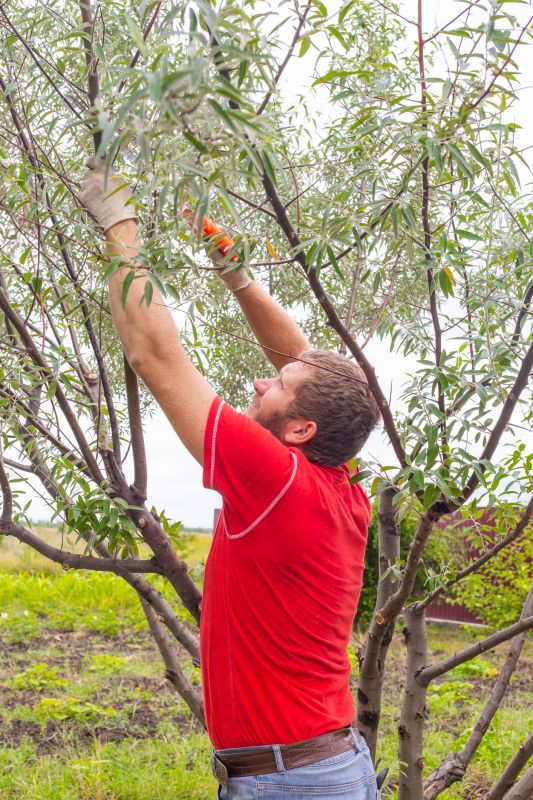
Clearly describe your tree crown shaping project to compare local contractors, verify their experience, and set expectations in writing.
- Verify the contractor’s experience with tree crown shaping to ensure they understand proper techniques and standards. - Clarify the scope of work and desired outcomes in writing before hiring a service provider.
- Compare multiple local contractors to assess their qualifications and approach to crown shaping projects. - Request detailed descriptions of methods and tools used for shaping and trimming trees.
- Ensure the contractor can provide references or examples of previous crown shaping work to evaluate quality and consistency. - Confirm that the contractor’s approach aligns with the specific needs of the trees and property.
- Discuss and document the expected results, including the shape and height, to prevent misunderstandings. - Make sure the scope of work is clearly defined and agreed upon in writing.
- Check that the contractor follows proper pruning practices to maintain tree health and structure during crown shaping. - Review the contractor’s process for assessing tree condition and planning the shaping process.
Compare local contractors’ experience and services to clearly define your tree crown shaping scope and expectations.
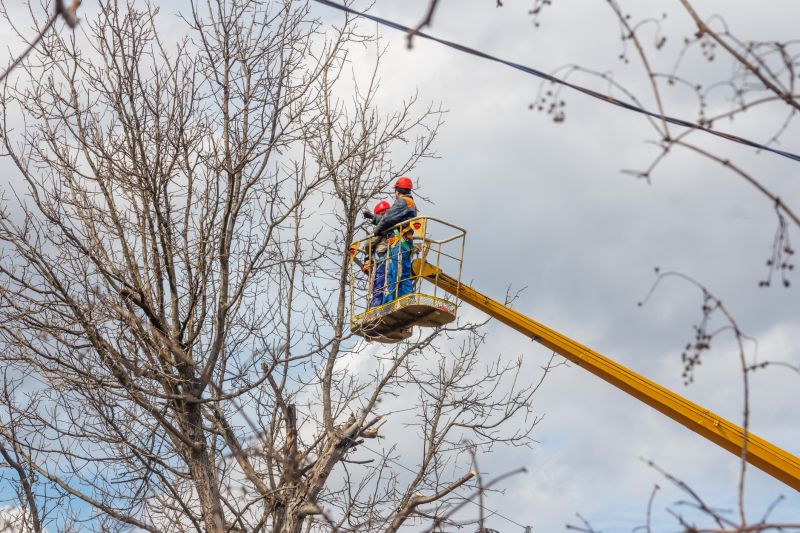

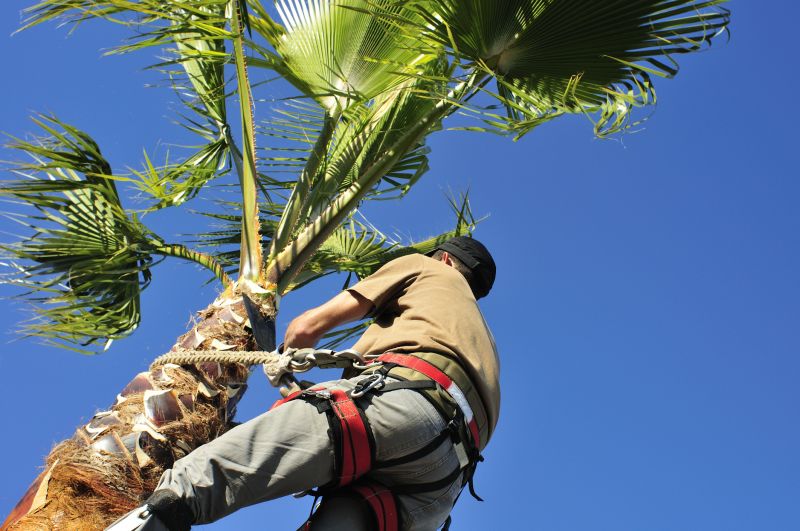
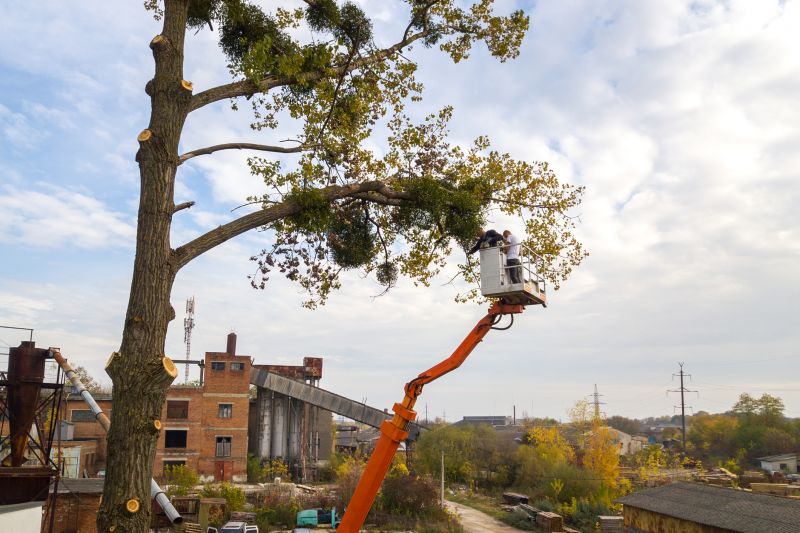
Learn how to compare local contractors for tree crown shaping by defining scope, verifying experience, and setting clear expectations.
- Define desired crown shape - specify the overall form and structure intended for the tree’s canopy.
- Assess existing tree condition - evaluate the health, growth pattern, and current shape of the tree before shaping.
- Identify shaping techniques and tools - determine the methods and equipment suitable for achieving the desired crown form.
- Establish scope of work in writing - clearly outline the tasks, extent of shaping, and expected outcomes with local contractors.
- Verify experience and references - review the background and previous work of service providers to ensure competence in crown shaping.
When comparing contractors for Tree Crown Shaping, it is important to review their experience with similar projects. Service providers who have a history of working on shaping trees of comparable size, species, or landscape conditions are more likely to understand the specific challenges involved. Asking about their past work can provide insight into their familiarity with the techniques and tools necessary for achieving desired results, helping to ensure the chosen contractor has relevant expertise.
A clear, written scope of work is essential when evaluating options. This document should outline the specific tasks involved in the crown shaping process, including the extent of pruning, the areas to be addressed, and any particular goals for the project. Having a detailed scope helps prevent misunderstandings and ensures that both parties have aligned expectations. It also provides a basis for comparing different service providers’ proposed approaches and the level of detail they offer.
Verification basics involve confirming that contractors have a track record of reliable service and proper project documentation. While licensing and certification are not the focus here, it’s worthwhile to review references or previous customer feedback where available. Additionally, requesting a description of their process for assessing the health and structure of the trees before shaping can help determine if they follow sound practices. Proper verification provides confidence that the contractor is capable of safely and effectively performing the work.
Evaluating options without discussing prices involves focusing on the quality of the proposal, the clarity of communication, and the professionalism demonstrated in their scope and approach. Consider how well each contractor understands the project requirements and whether their methods align with best practices for tree health and aesthetics. Comparing the level of detail, the experience shared, and the consistency of their explanations can help identify the most suitable service providers to handle the job effectively.
Request written scope details from local contractors to ensure clarity and consistent expectations for tree crown shaping.
- Experience and Expertise - What specific experience do local contractors have with tree crown shaping projects?
- Scope of Work - How do contractors define and outline the scope of the crown shaping services they provide?
- Techniques and Methods - What shaping techniques and tools do service providers use to achieve the desired results?
- Project Expectations - How do local contractors clarify the expected outcomes and limitations of the crown shaping work?
- Written Agreements - Are scope, methods, and expectations documented clearly in a written agreement before work begins?
How can I compare contractors for tree crown shaping? It's helpful to review their experience, check references, and compare the scope of services offered to find the best match for your needs.
What should I consider when defining the scope of tree crown shaping? Clearly outline what areas or specific trees need shaping, the desired outcome, and any particular techniques or styles you prefer.
How do I verify a contractor’s experience in tree crown shaping? Look for details on their previous projects, ask about their background in tree shaping, and request examples of similar work they've completed.
What is important to include in a written agreement with a contractor? Ensure the scope of work, expectations, and any specific instructions are documented to prevent misunderstandings.
Are there questions I should ask a contractor before hiring? Yes, inquire about their experience, methods used, and how they handle different types of trees and shaping techniques.
How can I ensure the contractor understands my expectations? Communicate your goals clearly and confirm that they can deliver the desired results through detailed discussions and written agreements.
By exploring the options available through local contractors, visitors can gain a clearer understanding of the services offered for tree crown shaping and how to set clear expectations. Comparing different service providers allows for an informed approach to defining project scope and verifying their experience, helping to ensure the chosen contractor aligns with specific needs. Utilizing the quote form can assist in gathering information to make well-considered decisions about which local service providers might be suitable for the job.
Taking the time to compare local contractors for tree crown shaping ensures that expectations are communicated and documented effectively. Using the provided quote form can help in assessing options and establishing a foundation for working with experienced service providers. This process supports making confident choices when selecting a professional to handle the project.