Compare Local Contractors for Safe Tree Limb Removal Services
Compare local contractors for tree limb removal to define project scope, verify experience, and establish clear expectations before hiring.
Tree limb removal services typically involve trimming or cutting away damaged, dead, or overgrown branches to improve the health and safety of trees on a property. This work can include pruning individual limbs that pose a risk of falling, reducing the size of tree canopies to prevent interference with structures or power lines, and removing broken or hazardous branches after storms. Proper limb removal helps maintain the overall appearance of trees while reducing the likelihood of property damage or injury caused by falling debris.
Defining the scope of tree limb removal is an essential step in ensuring the work meets expectations. Property owners should clearly identify which branches or sections of trees need attention and communicate these details to service providers. A well-defined scope helps prevent misunderstandings, ensures the contractor understands the extent of the work, and provides a basis for any written agreements. Clarifying whether the focus is on trimming for health, safety, aesthetics, or all of these factors can lead to more satisfactory results.
When comparing local contractors for tree limb removal, it’s important to consider their experience with similar projects and to verify their familiarity with the types of trees on the property. Property owners can review credentials, ask about their process for assessing trees, and request details about how they will approach the work to ensure it aligns with the defined scope. Additionally, obtaining written descriptions of the planned work allows for clear expectations and helps identify differences between service providers. Comparing these aspects can assist in selecting a contractor that has the appropriate expertise and approach for the specific needs of the property.
Compare local contractors by outlining your project priorities, verifying experience, and setting clear expectations in writing.
- Compare Contractor Qualifications - Review the experience and credentials of local contractors to ensure they meet project needs.
- Define Project Scope Clearly - Specify the extent of tree limb removal to set accurate expectations with service providers.
- Verify Service Provider Experience - Confirm that local contractors have relevant experience handling tree limb removal jobs.
- Document Work Details in Writing - Establish a clear agreement outlining the scope, responsibilities, and expectations for the project.
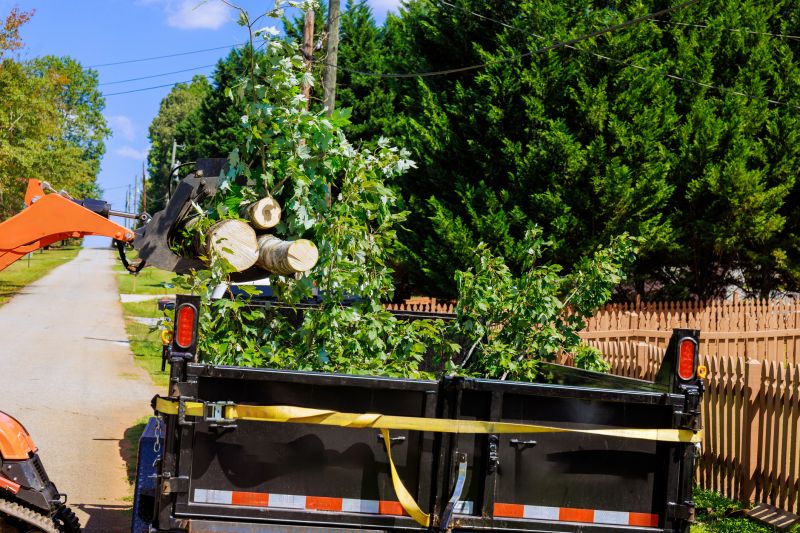
Before comparing local contractors for tree limb removal, clearly describe your project scope and verify their experience.
- Verify that the scope of tree limb removal is clearly defined in the service agreement. - Ensure contractors specify which limbs will be removed and which will remain.
- Assess the experience of local contractors with tree limb removal projects of similar size and complexity. - Look for providers with a proven track record in handling similar jobs.
- Confirm that the contractor inspects the tree to identify potential hazards before beginning work. - A thorough assessment helps prevent unexpected issues during removal.
- Check that the scope of work and expectations are documented in writing before work starts. - Clear documentation helps prevent misunderstandings or disputes.
- Ensure that contractors have appropriate equipment and safety measures for limb removal tasks. - Proper tools and safety practices are essential for efficient and safe work.
- Compare multiple local service providers to evaluate their experience, scope, and approach to tree limb removal. - Gathering information from various contractors helps identify the best fit for the project.
Compare local contractors, clarify project scope, verify experience, and set clear expectations in writing.
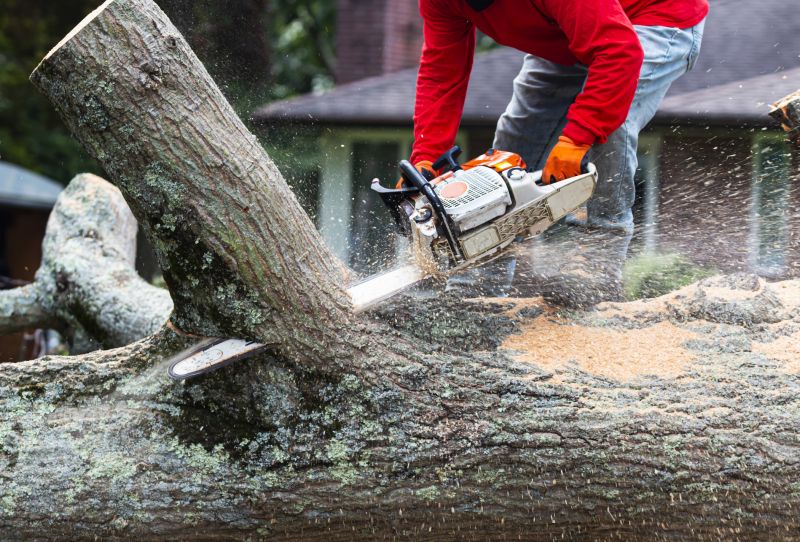
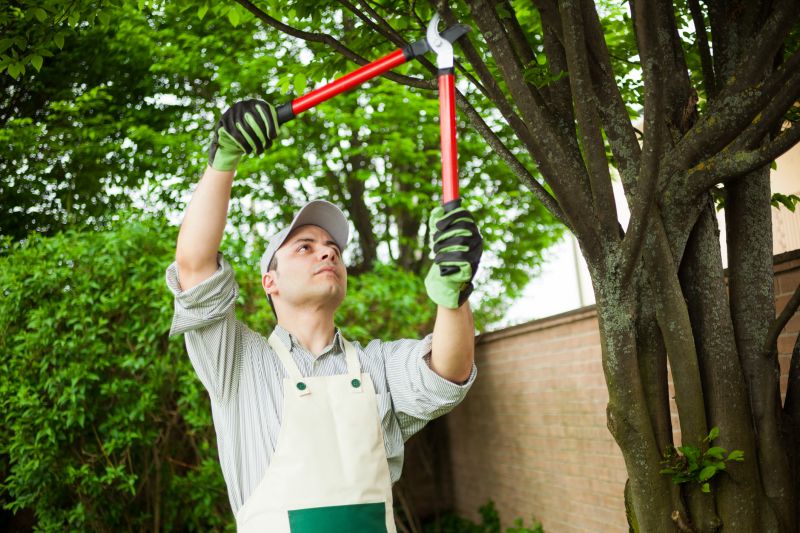
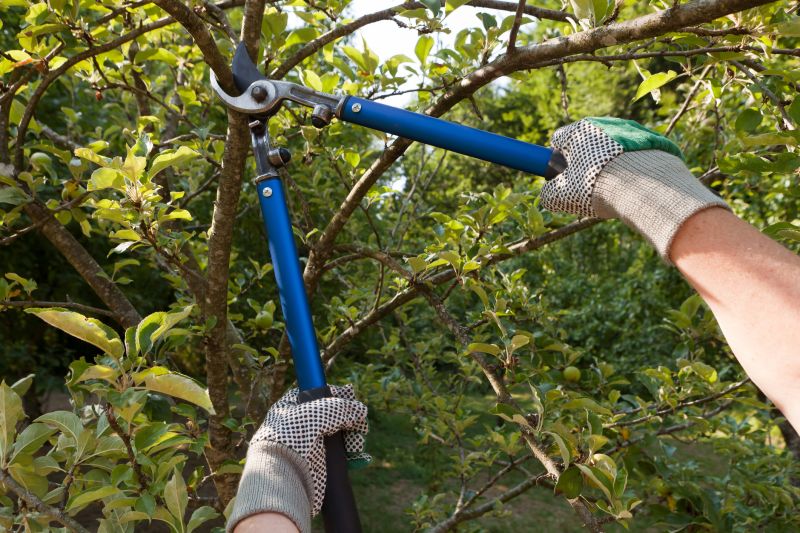
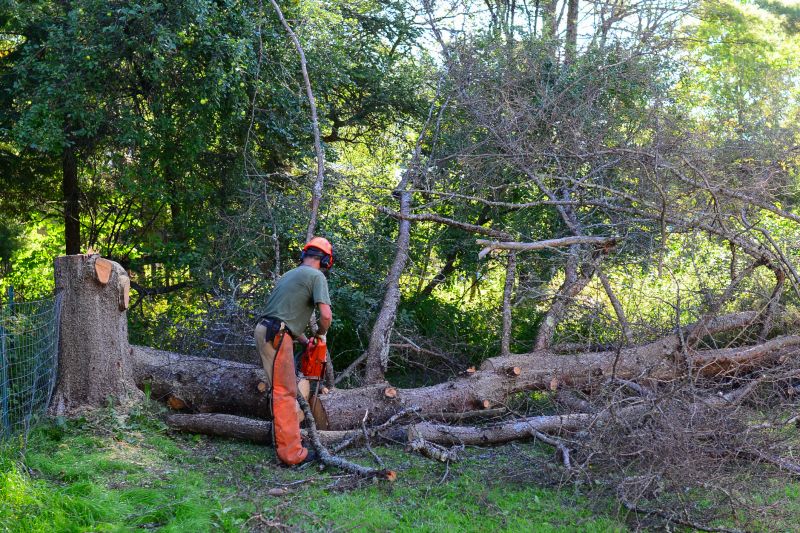
Use consistent comparison criteria across local contractors to clearly define the scope, verify experience, and set expectations in writing.
- Scope Definition - Clearly specify which tree limbs are to be removed and the extent of trimming required.
- Experience Verification - Confirm that the service providers have relevant experience with tree limb removal projects.
- Work Description - Provide a detailed outline of the removal process, including safety measures and equipment used.
- Material and Waste Handling - Determine how debris will be managed and disposed of after limb removal.
- Written Agreement - Ensure all project details, scope, and expectations are documented in a formal agreement.
When comparing contractors for tree limb removal, it’s important to evaluate their experience with similar projects. Homeowners should seek service providers who have a history of handling tree limb removal in settings comparable to their own, whether it’s residential yards, commercial properties, or challenging landscapes. An experienced contractor will be familiar with various types of trees and limb sizes, as well as the best techniques for safe and effective removal. Verifying a contractor’s background in similar work can help ensure they are capable of managing the specific requirements of the project.
A clear, written scope of work is essential for setting expectations and avoiding misunderstandings. Homeowners should request detailed descriptions of what the project entails, including the number of limbs to be removed, the methods to be used, and any cleanup or disposal procedures. A well-defined scope provides a transparent outline of services, helping homeowners understand exactly what will be done and ensuring that both parties are aligned on the project’s parameters before work begins.
Verification basics are key when evaluating service providers. Homeowners should look for contractors who can provide references or examples of previous work, and who are willing to answer questions about their experience and process. Confirming that a contractor has the necessary background and understands safety practices can help reduce risks and improve the likelihood of a successful project. Additionally, checking for any relevant local permits or regulations can be part of the verification process, ensuring compliance with local requirements.
When comparing options, it’s important to focus on how each contractor’s approach aligns with the project’s needs. Homeowners should ask service providers about their experience, request detailed scope descriptions, and verify their background through references or past project examples. Paying close attention to the clarity and completeness of the scope, as well as the contractor’s experience with similar projects, can help homeowners make an informed decision. This approach ensures that the selected service provider is well-equipped to handle the work safely and effectively, based on the homeowner’s specific requirements.
Ask for written scope of work to ensure clear expectations and consistent project details with service providers.
- Scope of Work - What specific tree limb removal services are included and what tasks are excluded?
- Experience and Expertise - How long have the local contractors been performing tree limb removal, and what types of trees have they handled?
- Insurance and Liability - Do the service providers have appropriate liability coverage to protect against potential damages or accidents?
- Work Process and Methods - What techniques and equipment do the contractors use to ensure safe and effective limb removal?
- Written Estimates and Agreements - Are the scope and expectations clearly outlined in a written agreement before work begins?
How can I compare tree limb removal contractors? To compare contractors, review their experience, request references, and verify their scope of work to ensure they meet specific project needs.
What should I clarify before hiring a contractor for tree limb removal? It's important to define the scope of work, including which limbs are to be removed, and confirm that the contractor understands your expectations in writing.
How do I verify a contractor’s experience with tree limb removal? You can ask for details about their past projects, request references, and check how long they have been providing tree limb removal services in the area.
What questions should I ask a contractor during the selection process? Inquire about their process for limb removal, safety procedures, and how they plan to handle potential challenges specific to your property.
Why is it important to get a written scope of work from a contractor? A written scope helps ensure both parties share the same expectations and provides a clear record of what work will be performed.
How can I ensure the contractor understands my specific needs? Clearly communicate which limbs need removal, any concerns about the property, and request confirmation of these details in writing before work begins.
By understanding the importance of clearly defining the scope of tree limb removal projects, verifying the experience of service providers, and putting all expectations in writing, visitors can make more informed decisions when selecting a contractor. Comparing options through a straightforward quote form helps to evaluate local contractors and find the best match for specific needs. Taking these steps ensures a more transparent and organized approach to managing tree limb removal services.
Utilizing the quote form to compare local contractors allows visitors to gather information and assess different service providers efficiently. This process supports making well-informed choices based on scope, experience, and clear communication. Connecting with experienced local service providers through this method can help streamline the process of finding suitable tree limb removal solutions tailored to individual requirements.