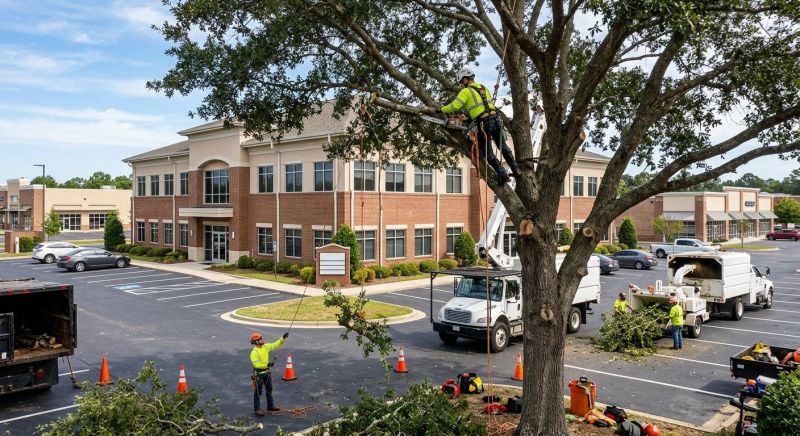
Commercial Tree Trimming in Denver County, CO
Commercial tree trimming services involve the careful pruning and shaping of trees on commercial or residential properties to promote healthy growth, improve appearance, and ensure safety. This service covers a variety of projects, including removing dead or hazardous branches, thinning dense canopies, shaping trees for aesthetic purposes, and maintaining overall tree health. Property owners typically seek this service to enhance curb appeal, prevent potential damage from falling limbs, and comply with local safety regulations. Before requesting tree trimming, it’s helpful to understand the specific types of trees on the property, the desired outcome for each, and any existing safety concerns or restrictions.
Property owners should consider the scope of the trimming project, including whether it involves routine maintenance or addressing specific issues like storm damage or disease. Clarifying the extent of pruning needed, the timing that best suits the property’s landscape, and any access or safety considerations can help ensure the process proceeds smoothly. Proper tree trimming can contribute to the long-term health and safety of trees, making it an important aspect of property maintenance for homeowners and property managers alike.
Many property owners in Denver County, CO look into Commercial Tree Trimming for repairs, replacements, upgrades, and appearance-related improvements.
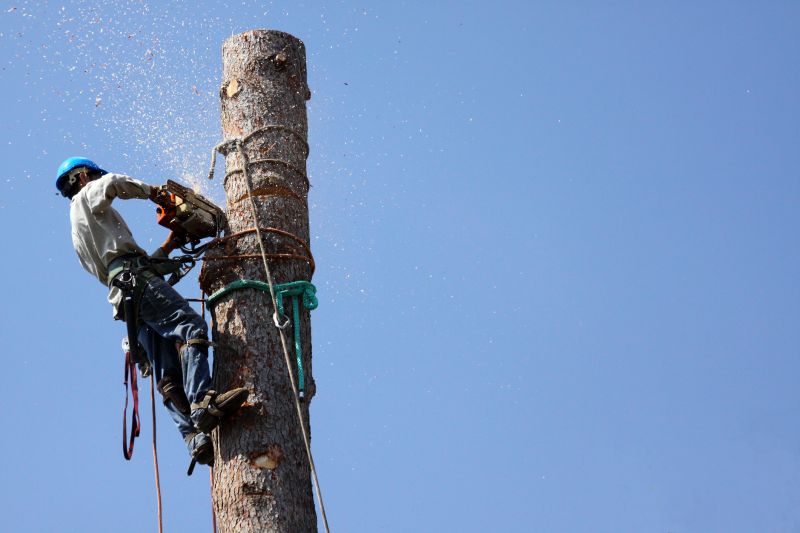
Tree Trimming For Property Safety
Proper trimming reduces hazards caused by overgrown branches near structures and power lines.
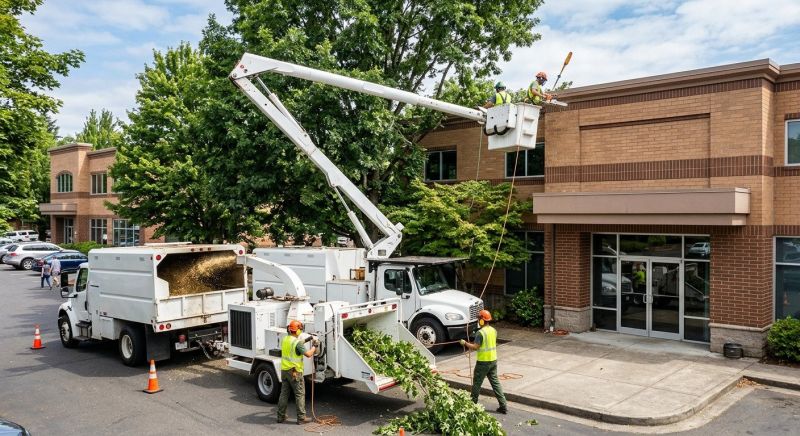
Enhancing Tree Health And Appearance
Regular pruning promotes healthy growth and improves the aesthetic appeal of trees in denver county neighborhoods.
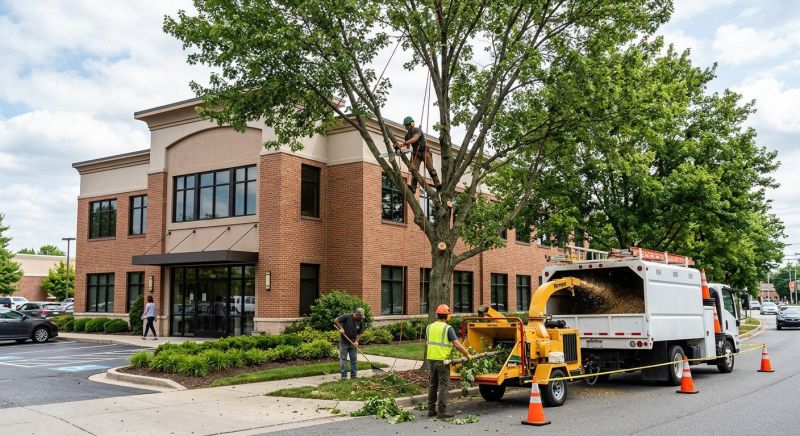
Maintaining Tree Clearance And Access
Trimming ensures clear pathways, driveways, and sightlines for better accessibility and safety around commercial properties.
Commercial Tree Trimming in Denver County, CO

Commercial tree trimming services involve the careful pruning and shaping of trees on commercial or residential properties to promote healthy growth, improve appearance, and ensure safety. This service covers a variety of projects, including removing dead or hazardous branches, thinning dense canopies, shaping trees for aesthetic purposes, and maintaining overall tree health. Property owners typically seek this service to enhance curb appeal, prevent potential damage from falling limbs, and comply with local safety regulations. Before requesting tree trimming, it’s helpful to understand the specific types of trees on the property, the desired outcome for each, and any existing safety concerns or restrictions.
Property owners should consider the scope of the trimming project, including whether it involves routine maintenance or addressing specific issues like storm damage or disease. Clarifying the extent of pruning needed, the timing that best suits the property’s landscape, and any access or safety considerations can help ensure the process proceeds smoothly. Proper tree trimming can contribute to the long-term health and safety of trees, making it an important aspect of property maintenance for homeowners and property managers alike.
Many property owners in Denver County, CO look into Commercial Tree Trimming for repairs, replacements, upgrades, and appearance-related improvements.
Common Commercial Tree Trimming Jobs
Commercial Tree Trimming Services - pruning to maintain tree health and appearance.
Tree Crown Reduction - reducing the height or spread of large trees safely.
Emergency Tree Trimming - removing broken or hazardous branches after storms.
Shade Tree Trimming - shaping and thinning to improve airflow and sunlight.
Utility Line Clearance - trimming to keep trees away from power lines.
Landscape Tree Pruning - shaping trees to enhance property aesthetics.
Commercial Tree Trimming Questions
What types of trees are suitable for trimming? Most common urban trees in Denver County can benefit from trimming, including maples, oaks, and elms, to maintain health and appearance.
Why is commercial tree trimming important? Regular trimming helps prevent hazards, promotes healthy growth, and maintains the aesthetic value of commercial properties.
How often should trees be trimmed? The frequency depends on the tree species and growth rate, but typically once every 1-3 years is recommended for mature trees.
What are the benefits of professional tree trimming? Professional trimming ensures proper technique, reduces risk of damage, and supports the long-term health of trees on the property.
Request Commercial Tree Trimming in Denver County, CO
Use the quote form on this page to share the basics of your project and request more information for the type of work you need.